From Waste to Resource The Recycling Story of Green Bay Plastics
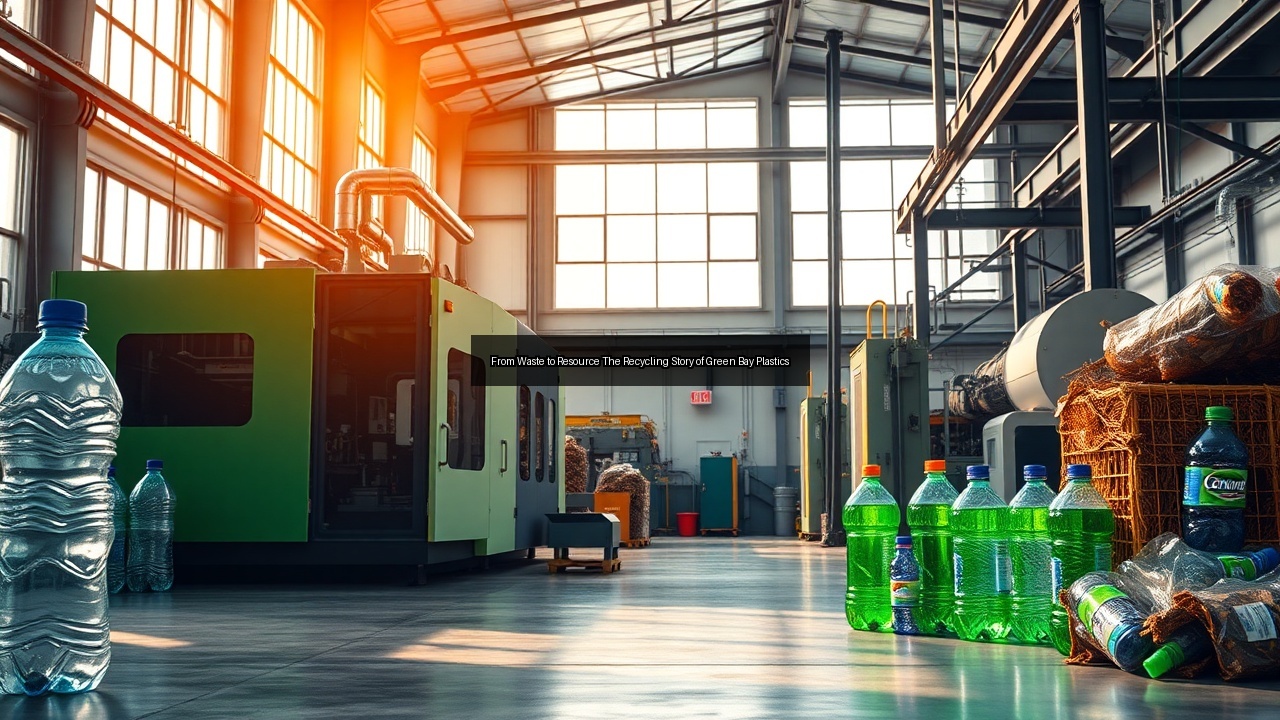
The Evolution of Green Bay Plastics: A Sustainable Journey
History of Green Bay Plastics Manufacturing
Green Bay Plastics, a prominent manufacturer based in the USA, has built a reputation for quality and innovation in the plastics industry. Established several decades ago, the company began its journey with a focus on producing blow molded plastic products, primarily targeting sectors like packaging and automotive. Over the years, Green Bay Plastics evolved significantly, shifting its attention toward sustainability and recycling. This transition reflects broader industry trends, where manufacturers recognize the urgent need for environmentally friendly practices. The company has increasingly leveraged modern technologies to enhance its operations, ensuring that its products align with GB plastics the growing demand for sustainable materials.
Key Innovations in Plastic Recycling
Green Bay Plastics has been at the forefront of key innovations in plastic recycling, setting benchmarks for the industry. By investing in advanced recycling technologies, the company has streamlined the process of converting used plastics back into valuable resources. These innovations not only improve efficiency but also reduce waste significantly. The focus on high-density polyethylene (HDPE) has been particularly crucial. HDPE is widely recognized for its durability and recyclability, making it an ideal choice for sustainable packaging solutions. Green Bay Plastics has pioneered methods to reclaim HDPE from discarded bottles and containers, transforming waste into new products that meet rigorous quality standards.
The Role of HDPE in Sustainable Packaging
HDPE plays a vital role in the sustainable packaging landscape championed by Green Bay Plastics. As a lightweight, strong material, HDPE is ideal for various applications, including bottles for motor oil and household products. Its recyclability allows manufacturers to create a closed-loop system where products are reused rather than discarded. Green Bay Plastics emphasizes the importance of sourcing HDPE from post-consumer waste, significantly reducing the carbon footprint associated with new plastic production. By promoting HDPE in its products, the company not only supports sustainability but also educates consumers on the importance of recycling, encouraging responsible disposal practices that contribute to a greener planet.
From Waste to Resource: The Recycling Process
Understanding Plastic Recycling Techniques
The recycling process at Green Bay Plastics is both systematic and innovative, designed to maximize resource recovery while minimizing environmental impact. Understanding the various plastic recycling techniques is essential for grasping how the company transforms waste into valuable materials. The process typically begins with the collection of used plastics, followed by sorting and cleaning to remove contaminants. Techniques such as mechanical recycling, where plastics are shredded and melted down, play a crucial role in this phase. Green Bay Plastics utilizes state-of-the-art machinery that ensures the integrity of the recycled material, maintaining its quality for manufacturing new products. The commitment to using recycled content not only reduces reliance on virgin plastics but also encourages a circular economy.
The Journey of Recycled Plastics in Manufacturing
Once the recycling process is complete, the journey of recycled plastics continues as they enter the manufacturing phase. Green Bay Plastics incorporates these recycled materials into its production lines, demonstrating that quality and sustainability can go hand in hand. The company produces an array of products, including various types of packaging solutions that are both functional and environmentally friendly. By utilizing recycled plastics, Green Bay Plastics not only contributes to reducing landfill waste but also showcases the potential of recycled materials in meeting consumer demands. This journey from waste to resource exemplifies greenbayplastics the company's commitment to innovation and sustainability, reinforcing its position as a leader in the plastics manufacturing industry.
Energy Efficiency in the Recycling Process
Energy efficiency remains a cornerstone of Green Bay Plastics’ recycling process. The company has adopted various strategies to minimize energy consumption while maximizing output. Utilizing advanced recycling technologies allows for lower energy requirements compared to traditional manufacturing processes. By optimizing their machinery and employing energy-efficient practices, Green Bay Plastics ensures that the recycling of plastics is not only sustainable but also economically viable. This focus on energy efficiency aligns with broader corporate sustainability goals, as the company strives to reduce its overall carbon footprint. By championing energy-efficient practices, Green Bay Plastics sets an exemplary standard for other manufacturers in the industry.
Corporate Responsibility and Sustainability Initiatives
How Green Bay Plastics Supports Local Communities
Green Bay Plastics recognizes that corporate responsibility extends beyond manufacturing practices. The company actively engages with local communities, supporting various initiatives aimed at promoting sustainability and environmental awareness. Through educational programs, workshops, and community clean-up events, Green Bay Plastics fosters a culture of recycling and environmental stewardship. The company collaborates with schools and organizations to provide information on the importance of recycling and proper waste disposal. This community engagement not only strengthens the brand's reputation but also empowers individuals to take action in their own lives, promoting a collective effort toward a more sustainable future.
Collaborations with Corporations for Sustainable Practices
Collaborations with other corporations play a significant role in Green Bay Plastics’ sustainability initiatives. By partnering with leading brands and organizations, the company amplifies its impact on the environment. These collaborations often focus on developing sustainable packaging solutions that prioritize recycled content and reduce overall plastic waste. For example, Green Bay Plastics works with major consumer goods companies to innovate packaging that meets both functional needs and environmental standards. Such partnerships underscore the importance of shared responsibility in driving the industry toward a more sustainable future. Together, these corporations and Green Bay Plastics work to create a ripple effect, inspiring others to adopt similar sustainable practices.
Reducing Carbon Footprint in Production
Reducing the carbon footprint in production processes is a priority for Green Bay Plastics. The company employs various strategies to decrease greenhouse gas emissions throughout its manufacturing operations. This includes optimizing supply chains to minimize transportation emissions and investing in renewable energy sources for its facilities. Additionally, Green Bay Plastics continually evaluates its manufacturing processes to identify opportunities for improvement. By implementing energy-efficient technologies and reducing waste, the company not only enhances its operational efficiency but also contributes to global efforts aimed at combating climate change. This relentless pursuit of sustainability positions Green Bay Plastics as a responsible leader within the plastics manufacturing sector.
The Future of Green Bay Plastics and Sustainable Practices
Emerging Trends in Plastic Recycling
The future of Green Bay Plastics hinges on embracing emerging trends in plastic recycling. Innovations in sorting technologies and chemical recycling processes are reshaping how plastics are processed and reused. Green Bay Plastics stays ahead of these trends by investing in research and development, ensuring its practices remain cutting-edge. The company explores solutions that not only improve recycling rates but also expand the range of materials that can be recycled. This proactive approach reinforces the company’s commitment to sustainability while enhancing its ability to meet the evolving needs of consumers and industries alike.
Impact of Legislation on Plastic Manufacturing
Legislation plays a crucial role in shaping the landscape of plastic manufacturing, and Green Bay Plastics remains vigilant in adapting to these changes. New regulations aimed at reducing plastic waste and promoting recycling directly impact manufacturing practices. The company actively engages with policymakers to advocate for balanced regulations that support sustainable practices while fostering innovation. By adapting to legislative changes, Green Bay Plastics not only ensures compliance but also positions itself as a leader in responsible manufacturing. Staying informed about legislative developments allows the company to anticipate challenges and seize opportunities in the evolving market.
The Role of Consumers in Promoting Sustainability
Consumers play an integral role in promoting sustainability, and Green Bay Plastics recognizes the importance of consumer education. The company actively engages with its customer base to raise awareness about the benefits of recycling and the impact of plastic waste. Through marketing campaigns and product labeling, Green Bay Plastics provides information that empowers consumers to make informed choices. Encouraging responsible consumption and recycling behaviors contributes significantly to the success of sustainability initiatives. As public awareness grows, so does the demand for sustainable products, further driving Green Bay Plastics to innovate and enhance its offerings in the marketplace.